
Regenerative Agriculture and Sustainability Standards in the Global Cashew Industry
Cashew is a perennial crop grown predominantly in tropical regions with fragile soils and high biodiversity value. How it's farmed has significant consequences — for soil health, carbon storage, water systems, and the ecosystems in which it's produced.
This page provides a map of the main frameworks that underpin sustainable and regenerative cashew production and links out to detailed modules on regenerative agriculture in the cashew industry, the African Forest Garden model and restoration, water/soil/climate adaptation strategies, the DuraCajou project and CIRAD scientific publications, ESG strategy and SDG alignment, and monitoring tools for ecological assessment.
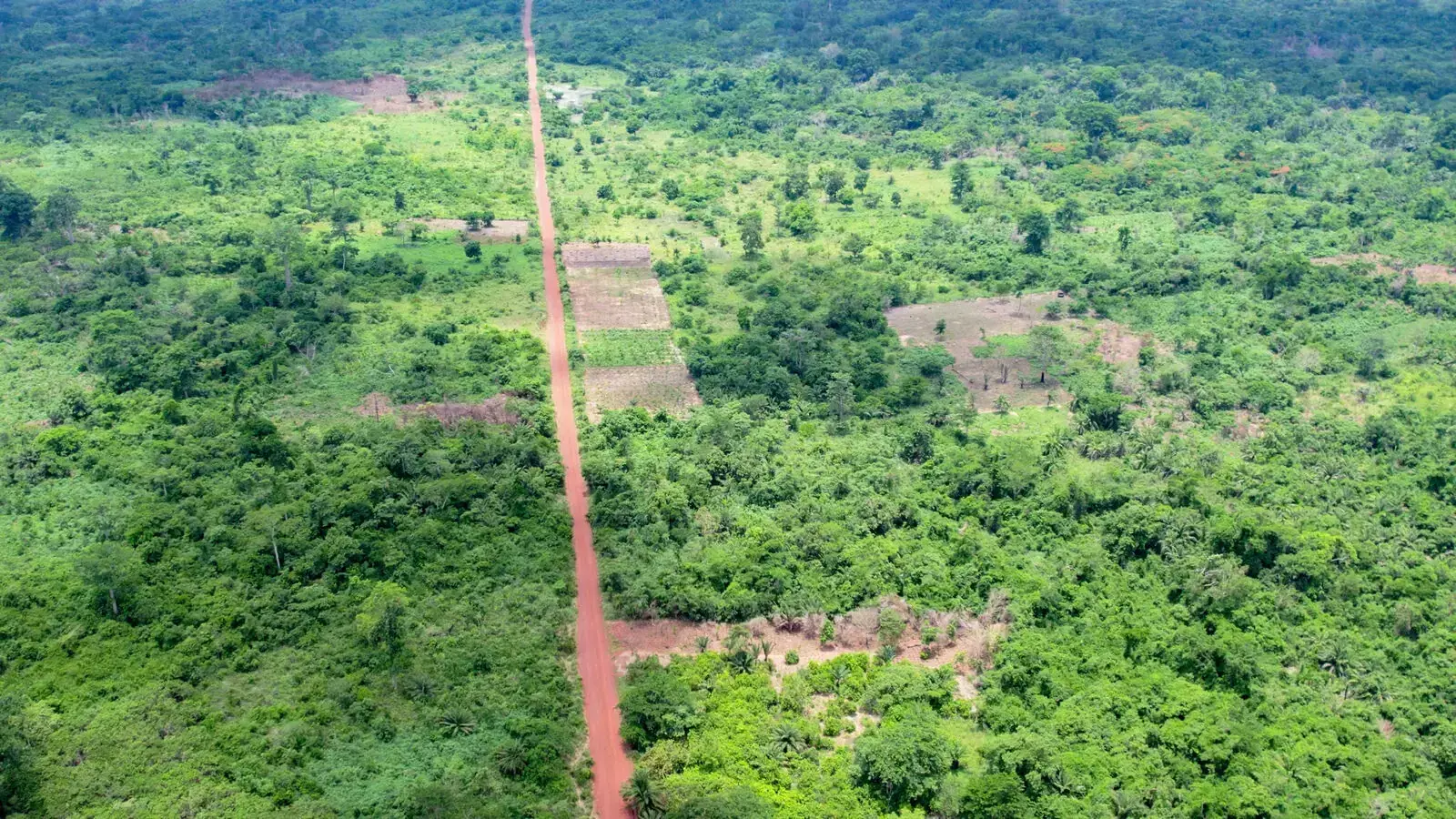
Regenerative Cashew Production: Carbon, Agroforestry and Sustainability Standards at a Glance
- Beyond sustainability: Regenerative agriculture in cashew systems aims to restore soil health, biodiversity and ecosystem function, not merely maintain them.
- Carbon sinks: Cashew plantations are documented carbon sinks, with field research recording total carbon stocks of 59–96 tC/ha in Cameroonian plantations and sequestration increasing with plantation age.
- Agroforestry gains: Integrating multiple species within cashew orchards measurably improves water conservation, reduces erosion and restores habitat corridors in tropical environments.
- Verifiable standards: IFOAM and Rainforest Alliance standards provide the primary verifiable frameworks for regenerative and organic claims in cashew supply chains.
- ESG shift: Reporting requirements are driving the sector toward quantitative, independently verified environmental performance data.
Jump to: Defining Regenerative Agriculture · Carbon Sequestration · Agroforestry and Biodiversity · Global Standards · Impact Measurement · Interconnected Themes · Next Steps
Defining Regenerative Agriculture in the Nut Sector
Regenerative agriculture is distinct from sustainability in an important respect: where sustainability aims to maintain existing conditions, regenerative practice aims to restore and improve them.
In agricultural systems, this centres on soil health as the primary measure of ecological function.
- The FAO's conservation agriculture framework defines core regenerative principles around:
- Minimal soil disturbance, permanent organic soil cover and diversified crop systems
- These practices rebuild soil organic matter, improve water retention, and support below-ground biodiversity over time
- The Rodale Institute's Regenerative Organic Agriculture framework extends this to include:
- Livestock integration, farmer equity, and ecosystem services as defining criteria
- The framework provides an operational standard against which cashew sector practices can be benchmarked
The module on regenerative agriculture in the cashew industry examines how these frameworks apply specifically within cashew farming systems.
Carbon Sequestration Potential of Perennial Cashew Orchards
Perennial tree crops store carbon in both biomass and soil in ways that annual crops can't. Cashew orchards, once established, maintain a root system and canopy that contribute to long-term carbon sequestration in tropical landscapes.
- Field research measured total carbon stocks of 59–96 tC/ha across cashew plantations in Cameroon, with sequestration increasing significantly with plantation age
- This study supports the view that cashew plantations are active carbon sinks with the potential to contribute to climate change mitigation and provide access to carbon credit markets through REDD+ mechanisms
The module on monitoring tools for ecological assessment covers carbon measurement frameworks relevant to cashew systems.
Agroforestry and Biodiversity Preservation
Monoculture cashew production limits the ecological value of the orchard system. Agroforestry approaches — integrating multiple species across vertical canopy layers — significantly expand that value, providing habitat, improving water cycling, and reducing erosion in tropical environments.
- CIRAD's research on agroforestry and perennial crop systems documents the measurable benefits of multi-strata systems in tropical climates:
- Improved water conservation through increased soil infiltration, reduced surface runoff, and the restoration of habitat corridors for native species
- In cashew-growing regions of West Africa, the integration of shade trees, understorey species, and native vegetation within orchard systems has been studied as both an ecological and agronomic intervention
- West African pilot programme data, including contributions from industry participants such as Cashew Coast, provides operational context for these findings at farm level
The module on the African Forest Garden model and restoration documents these mixed-species orchard systems as practiced in West African cashew-growing regions.
Global Sustainability Standards and Industry Benchmarks
Regenerative intent requires verifiable frameworks to be credible to buyers, investors, and certification bodies. Two standards are widely applied in the nut sector:
- IFOAM's Principles of Organic Agriculture
- Health, ecology, fairness, and care
- Provides the foundational ethical and ecological framework within which organic and regenerative certification schemes operate globally
- The Rainforest Alliance Regenerative Agriculture Standards
- Translates these principles into verifiable practice requirements for tropical agricultural systems
- Covers soil management, biodiversity protection, water stewardship and farmer livelihoods
- Certification against these standards provides the basis for sustainability claims in export markets
The module on ESG strategy and SDG alignment examines how these frameworks translate into cashew operations.
Impact Measurement and Ecological Performance
Standards define what's required; measurement determines whether it's being achieved. Longitudinal monitoring of soil organic matter, biodiversity indicators, and hydrological function is the evidential foundation on which credible sustainability claims in perennial crop systems rest.
Methodologies for ecological impact assessment in tropical agriculture draw on established indicators:
- Soil carbon content, aggregate stability, species richness, canopy cover change, and water table variation over multi-year periods
- The reliability of these assessments depends on consistent data collection protocols, independent verification, and baseline data established at the outset of any intervention
The modules on water, soil, and climate adaptation strategies and monitoring tools for ecological assessment cover the methodologies used to track long-term environmental performance.
Interconnected Themes in the Cashew Sector
The same systems and evidence used to define regenerative practice also support broader industry priorities across this guide. As a result, sustainability initiatives in the cashew sector increasingly sit at the intersection of environmental performance, responsible sourcing and impact measurement.
Section 1: Supply Chain Transparency and Traceability examines how origin, handling and verification data move through the chain, while Section 3: Industry Innovation and Data Science explores the digital tools that support analysis, monitoring and decision-making.
Section 4: Socio-Economic Impact and Research and Section 5: Women's Empowerment and Transversal ESG Reporting Frameworks look at the social and governance dimensions that sit alongside environmental claims.
Next Steps and Contact
To examine the themes introduced here in more depth, move through Sections 2.1–2.6 in sequence, beginning with Regenerative Agriculture in the Cashew Sector.
Other parts of the Cashew Industry Guide covering Supply Chain Transparency and Traceability, Industry Innovation and Data Science, Socio-Economic Impact and Women's Empowerment and Transversal ESG Reporting Frameworks build on the same sustainability foundations to address environmental, socio-economic and governance topics.
For enquiries about contributing regenerative agriculture data or case studies, or to request expert comment, please get in touch.
Evidence and methodology: You can learn about our source vetting standards, data attribution policy, editorial independence, and amendment policy here.