BBC World Service's James Copnall and William Edmundson came to visit our cashew processing factory this week. Listen in – it is a very different experience than visuals.
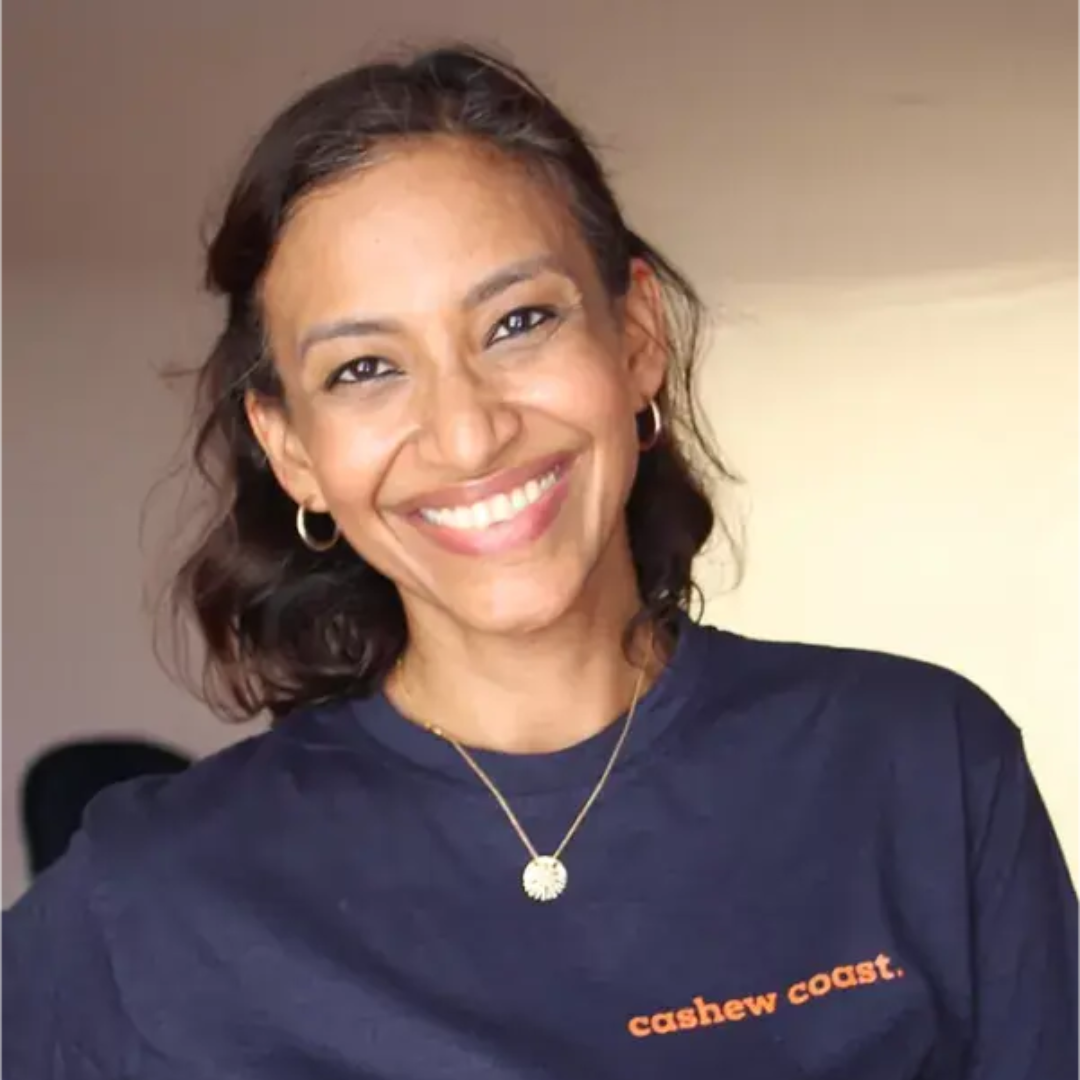
Salma Seetaroo (Cashew Coast CEO):
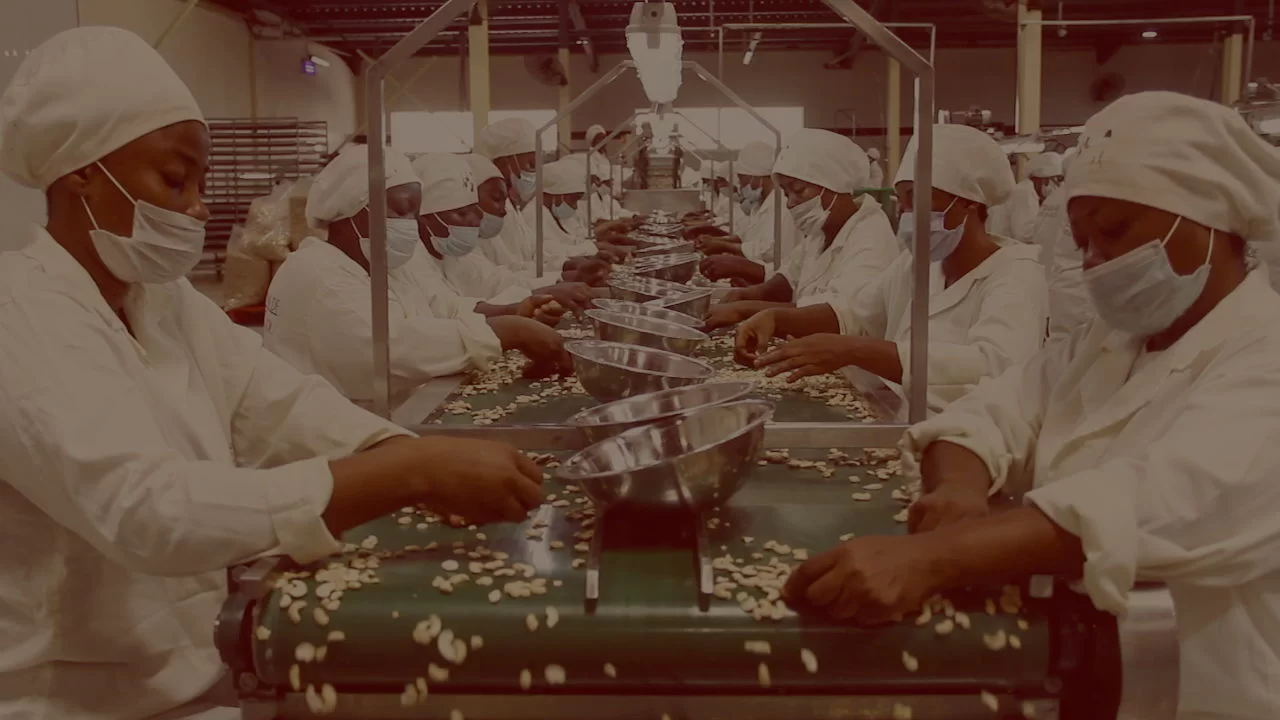
Here we are calibrating the product. We're separating the nuts by size using a large vibrating sieve that shakes the nuts into different categories.
Souko Ange:
Inside the cashew apple, we have the shell, and within it we have the kernel. The shell is separated from the kernel—that’s my job here.
Salma Seetaroo:
This is the clean zone. The kernels are first peeled by machine, and whatever remains is peeled by hand. Then comes the grading. The women sort out anything that looks defective, and from there the kernels go straight into packing.
Once you're in packing, it's the coolest part of the factory. This is where the product is flushed with gas and vacuum-packed, ready for shipping to Europe and the US.
Hema Ouatara:
I'm called Mademoiselle Hema Tesome-Ouatara, and I'm a supervisor in the shelling section. I'm responsible for supervising the women, the men, the machines—well, everything that happens here.
James Copnall:
In this sort of industry, there aren’t many women bosses, women in charge of men in factories. How do they react to you?
Hema Ouatara:
It hasn’t been easy, but we’ve managed. With time, they’ve gotten used to it. At the beginning, it really wasn’t easy. Some were asking, “Why is this woman in charge of us and all these machines?”
But they adapted. They saw a woman leading, and they became accustomed to it.
Today, when we women from the factory go to market, we can see the difference. We’ve become independent. We are able to buy things in the market for ourselves.
Florence Bokanga:
I'm Florence Bokanga. Here, I work as a sorter. I’m really happy now; I’ve become someone in the world. Before, I had no job. They encouraged me, and thanks to this work, I can at least help my husband cover household expenses.
I can also help my parents in the village—who don’t have money. My mother is ill, so at the end of each month, I send her money so she can buy medicine.
Arthur Coulibaly:
Cashew is a very strategic and important product for Côte d’Ivoire.
James Copnall:
That’s Arthur Koulibaly, an economic adviser to the Prime Minister. Ivory Coast processes less than 10% of its cashews today, but he and the government want to increase that number considerably.
Arthur Coulibaly:
As of 2019, the value of cashew exports was more than USD 1 billion. That’s a lot of money. And in terms of processing, it’s also a major commodity.
We can create jobs in rural areas. The government’s objective for the cashew sector is to locally process 50%.
Salma Seetaroo:
This is our treasure vault—a room filled with boxes of vacuum-packed cashew kernels ready for export, looking extremely neat and beautiful.
James Copnall:
Why is it important for Ivory Coast to process its own cashew nuts?
Salma Seetaroo:
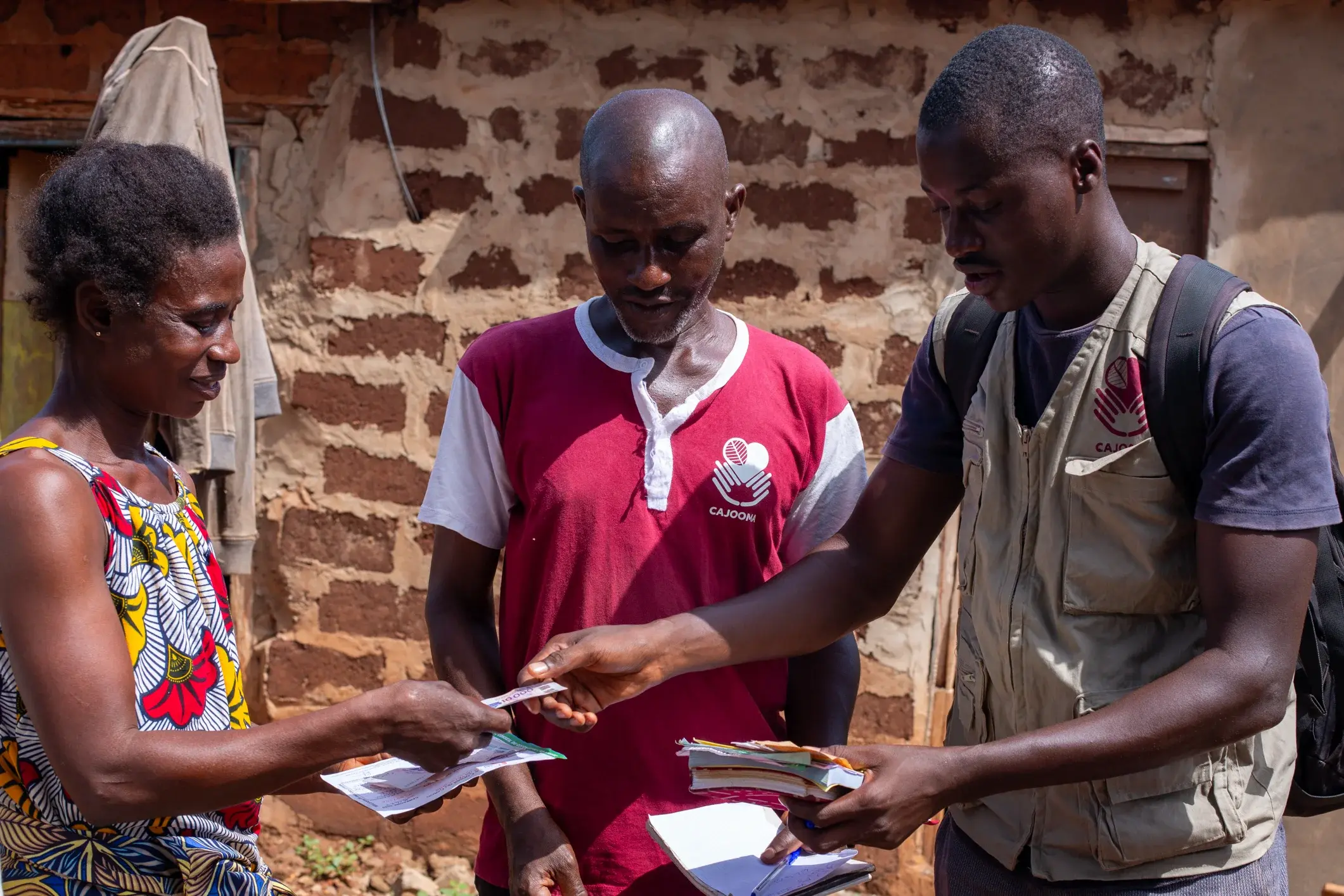
It creates jobs where the product is actually sourced, and it also gives farmers sustainability and certainty. As a processor, we provide farmers with perspective and stability by buying from them every year. We also invest in them so they can improve their yields and quality.
James Copnall:
You’ve seen everything all the way through the factory. We ought to taste it now, right?
Salma Seetaroo:
Come on. We’re tasting W240s—the largest kernels we produce here.
James Copnall:
It’s going to be really embarrassing if I don’t like this, right?
It’s delicious. Crunchy, rich, creamy—just like you said. It’s really good.